
DRI Rotors

Search

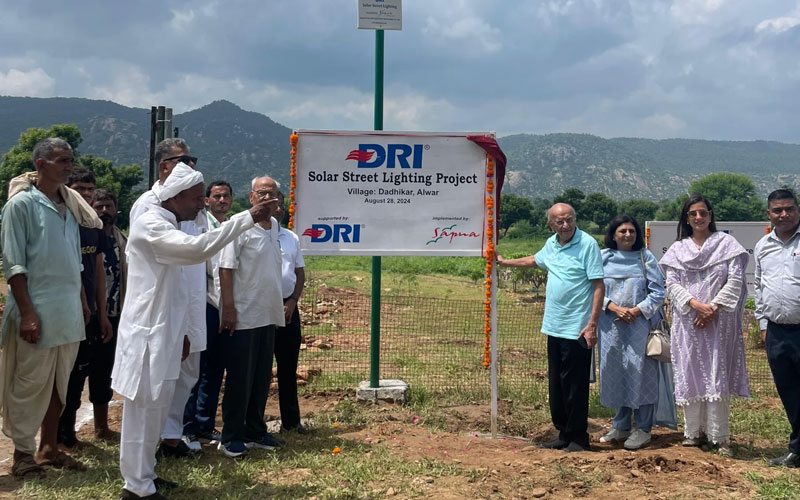
30th August 2024: Desiccant Rotors International Pvt. Ltd., a flagship company under the Pahwa Group, has installed Solar Street Lights on the outskirts of Dadhikar village, Alwar as part of its CSR activity. The project aims to enhance the electrical infrastructure of the village by improving the lighting condition of the region.

As part of the initiative, 25 solar street lights will be installed in the initial ph

CSR Times

ase to illuminate the stretch of the street remaining dark during the night. Serving the purpose of improving, safeguarding, facilitating, and encouraging vehicular and pedestrian traffic during the night, the installation is estimated to benefit more than 7,500 people residing in the village.

The village is situated in the neighborhood of Sariska Tiger Reserve and animals from the buffer zone of the reserve tend to enter the village after sunset. This makes it difficult to carry on the activities after dusk in the buffer zone of the village. Recognizing the challenge faced by the locals, DRI worked closely with Sapna NGO to install solar-powered street lights to enhance the safety of the people. In the process, it will also protect the villagers and domestic animals from wild animal attacks such as snakes and jackals, which are very common in the area after sunset.

Focusing on sustainable rural development, the initiative will have a transformative impact on the lives of residents. It will facilitate continuity of activities and enable ease of commutability even during the night due to better illumination. Additionally, it will also ease movements during the evening hours on rainy days. The initiative will be instrumental in creating a sense of security among the residents in the evening and night. They will be able to continue with their tasks without any hindrance or fear of accident or animal attack.

The inauguration was done by Mr. Deepak Pahwa, Director, of Desiccant Rotors, and Mrs. Vinita Pahwa, Director of Desiccant Rotors as the Chief Guest (s) of the program. The event was also attended by Mrs. Anandita Pahwa, Head-CSR Initiative, Pahwa Group, Mr. Sudhir Pratap Singh, General Secretary, Sapna NGO, Prof Ranveer Singh, Treasurer Sapna NGO, Mr. Bhumi Sarpanch of the village and villagers of the Dadhikar village, Alwar.

Speaking on the occasion, Vinita Pahwa, the Director of Desiccant Rotors said, “The solar street light project is a testament to our commitment to upgrading the lives of underprivileged people with the help of CSR activities. The Solar Street Lights will be the source of quality illumination in the villages during power cuts in the evening hours. Thus, in cases of power cuts, many times the inhabitants depend on the light received from the Solar Street Lights. The light from the Solar Street Lights will also illuminate the premises of the adjacent households. Thus, during power cuts, the families will be able to gather outside their houses sometimes to sit under the light.”

With people becoming highly conscious about their health, there has been rising awareness around the poor IAQ in commercial spaces. Modern-day commercial spaces are generally glass skyscrapers exhibiting a complex and packed structure with no space of windows for accommodating air conditioning systems. Restricting any scope of fresh air ventilation, the facilities can significantly contribute to poor indoor air quality (IAQ), which can negatively impact the health of the occupants.

Spaces such as malls, hospitals, large office buildings, airports, and other facilities are generally huddled by a large number of people, which leads to the buildup of carbon dioxide and pollutants, responsible for poor IAQ within the space. The situation is further worsened by the air conditioning systems recirculating the stale air, making the indoor environment hazardous for the occupants. It can potentially give rise to a range of health issues entailing respiratory problems, allergies, and even serious conditions of cardiovascular diseases. Prolonged exposure to poor IAQ is also responsible for the development of a condition called Sick Building Syndrome, where people become susceptible to various allergies and life-threatening diseases. It also comes with the ability to affect cognitive function, giving rise to a decline in productivity coupled with increased absenteeism in a person.

This necessitates the deployment of advanced technologies that work towards enhancing the quality of air in the commercial facilities. To achieve acceptable air quality, the industry should proactively consider installing Fresh Air Ventilation systems in tandem with the air conditioning units to provide comprehensive ventilation solutions within the space. Making use of Air Handling Units (AHU) entailing Treated Fresh Air Units (TFA) and Dedicated Outdoor Air Systems (DOAS) provides a viable solution for introducing fresh air into the space while reducing energy consumption, translating to a decrease in the operational cost of the building.

To achieve good air quality, employing Treated Fresh Air Handling (TFA) systems is essential. These systems precondition the incoming fresh air to meet ventilation standards and maintain excellent indoor air quality (IAQ).
By filtering and treating the air before it enters the space, TFA systems eliminate pollutants, allergens, and contaminants, effectively impeding the spread of airborne diseases. As a result, these units ensure a consistent supply of clean and healthy air, significantly reducing health issues associated with poor air quality. Additionally, TFA systems are equipped with energy recovery wheels, which recover both sensible and latent energy, contributing to improved IAQ, humidity control, and energy savings.

Another major advantage of the system relies on its ability to optimize indoor air quality round the year. Contributing to a stable and comfortable environment, it alleviates health risks and boosts the productivity of the occupants, irrespective of the weather conditions outside. Delivering fresh air continuously, it maintains air quality at acceptable levels for indoor settings. In educational institutes or offices, this plays a pivotal role in elevating the motivation and engagement of the people, resulting in overall better performance of the individuals.

In addition to this, TFA systems come with the ability to provide energy-efficient solutions. It is proficient at meeting the desired ventilation standards without amplifying the energy cost of the building. Striving to manage the airflow efficiently, it ensures appropriate circulation of fresh air, negating the excessive need of heating or cooling the enclosed space. As a result, the benefit is not just limited to energy savings but eventually translates to a significant reduction in the operational costs of the facility as well.

Elaborating on the advantages of the system, TFA can bring about a significant reduction in overall system capacity requirements. By handling and distributing the air efficiently, the system lowers demand for heating, ventilation, and air conditioning (HVAC) systems. Ultimately contributing to a reduction in the overall load of the system, it culminates in lowering the operational costs and energy consumption of the systems.

In the pursuit of improving the IAQ, people generally tend to overlook humidity. But maintaining the optimal humidity of the space is crucial for achieving the desired result. Moisture in the air is responsible for the proliferation of bacteria and fungi, which can impact the health of the person. Therefore, TFA aids in controlling humidity within acceptable limits and prevents the growth of microorganisms and the issue of static electricity. In the process of eliminating humidity from the air, it does not incur additional cost, making it a cost-effective solution for commercial spaces. In addition to ensuring the health and safety of the people occupying the space, maintaining proper humidity protects the various materials present in the space and preserves the longevity and reliability of the materials.

Here, the Dedicated Outdoor Air Systems (DOAS) can also be beneficial for addressing the issue of humidity. Well equipped with unique passive dehumidification wheels, it ventilates the space adequately by removing indoor air pollutants, monitoring humidity levels, and replenishing fresh air in the process. Managing the humidity level, it plays a pivotal role in addressing the issue of mold growth, unpleasant odors, and discomfort arising from excessive moisture. Resisting the accumulation of pollutants, odors, and contaminants, it supplies fresh air for a comfortable, healthy, and productive environment. Therefore, managing the RH (relative humidity) levels, maximizing energy recovery efficiency, and reducing cross-contamination provides a comprehensive solution for improving the air quality of the space.

Therefore, looking at the complexity of the commercial facilities, employing the systems can come in handy for optimizing the air quality. Looking at the wide gamut of benefits the systems have to offer, entailing pre-conditioning of incoming air, delivery of fresh air, energy-efficient ventilation, and humidity control, they are very likely to prioritize the health and safety of the occupants. And in the process, the systems also reduce the load on the HVAC systems, making them a viable and practical solution for large, complex buildings.

INDOOR AIR QUALITY & HVAC SYSTEM

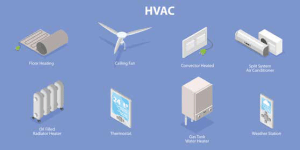
Heating, ventilation, and air conditioning or HVAC systems are seeing new age developments as they integrate seamlessly within various spaces.


In recent years, people have become highly conscious about the health repercussions arising from poor indoor air quality. Consequently, to address the issue, there is a growing emphasis on indoor air quality (IAQ) with a focus on achieving the comfort of the occupants. This has invariably contributed to the rising demand for HVAC solutions that accomplish the dual purpose of regulating temperature along with removing pollutants and allergens from indoor spaces.

GREEN VISTAS

The HVAC industry is at a very interesting cusp of development. Driven by the growing importance of net-zero solutions in the segment, the industry is adopting energy-efficient solutions with alacrity to reduce the carbon footprint significantly. “To achieve this goal, the HVAC space is embracing Variable Refrigerant Flow (VRF) systems to ensure precise temperature control and zoning capabilities aimed at curtailing energy consumption with efficient operation as compared to traditional HVAC systems. To further strengthen the prospects of providing energy efficient solutions, the industry is focusing on reducing the cooling or heating load by resorting to natural methods of ventilation. By ensuring ingress of fresh air, ventilation plays a pivotal role in removing the contaminants from the space while maintaining comfortable temperature and humidity levels for the occupants. Here, by minimizing the dependence on heating and cooling systems, it contributes to reducing the consumption of electricity,” says Varun Pahwa President, Desiccant Rotors International.


Varun Pahwa            IAQ
Working towards improving the indoor air quality and hygiene of the space, HVAC systems are
continuously innovating to curtail the proliferation of microorganisms in a closed space.

 “The advanced technologies are also contributing to the enhanced automation of the systems for precise control of temperature, humidity, and other factors of the environment. Apart from this, the HVAC industry is progressing at a phenomenal rate by harnessing the benefits of collated data to practice predictive maintenance of the systems to troubleshoot and calibrate the systems to eliminate faults effectively that too in advance,” adds Pahwa. 

Driven by the growing importance of net-zero solutions in the segment, the industry is adopting energy-efficient solutions with alacrity to reduce the carbon footprint significantly.                      HVAC DRI Rotors            

Driven by the growing importance of net-zero                         HVAC industry has actively transitioned away
solutions in the segment, the industry is                            from refrigerants that cause Ozone depletion and      adopting energy-efficient solutions with alacrity                            adopted refrigerants with low Global
to reduce the carbon footprint significantly.                                                   Warming Potential.

INDOOR AIR QUALITY

Working towards improving the indoor air quality and hygiene of the space, HVAC systems are continuously innovating to curtail the proliferation of microorganisms in a closed space. As a result, the industry is scaling its offering with the incorporation of advanced filtration systems to capture a wide gamut of airborne contaminants entailing bacteria, viruses, and allergens. “Additionally, the industry is further fortifying the antibacterial and antifungal measures with the integration of UV-light technology into the systems aimed at sterilizing air and surfaces for neutralizing harmful microorganisms. Along with this, the systems are proficient at inhibiting the growth of bacteria and fungi with antimicrobial coatings on the components contributing to the elevation of indoor air quality of the space. Going a step ahead, the industry is equipping the coolers with highly efficient and reliable antibacterial cooling pads that inhibit the formation of bacteria on the surface to provide the necessary protection against the diseases arising from microorganisms,” says Pahwa.

Smart Controls                               Ozone Depletion           

Smart controls, using Variable Frequency                          HVAC industry has actively transitioned away
Drives (VFD), now have a crucial role in                               from refrigerants that cause Ozone depletion
optimizing the performance of motors,                                   and adopted refrigerants with low Global
including AC fan motors and compressors,                                             Warming Potential.
in the HVAC industry 


By D Roy Choudhury, AVP, Desiccant Rotors International | The Machinist | May 21, 2024

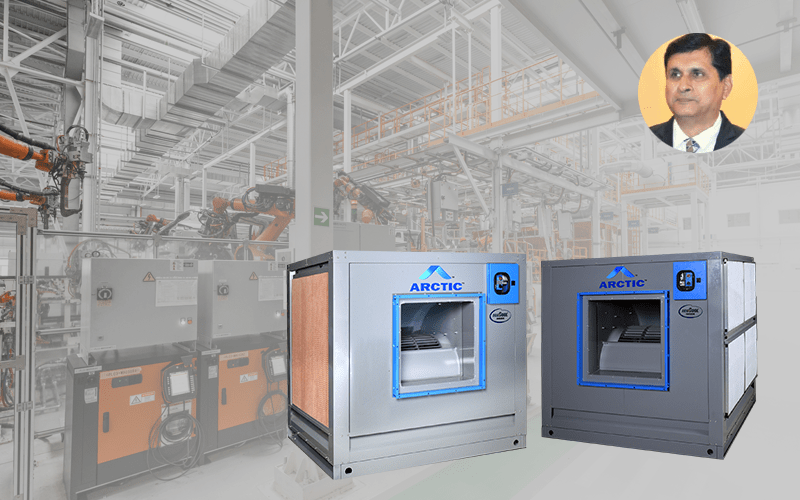
Industry players are seeking cost-effective solutions for cooling their spaces in anticipation of the hot summer months. The article outlines why evaporative cooling is a viable option for effectively cooling large spaces, such as manufacturing facilities.

With the onset of summer, heatwaves remain a matter of concern among people. Adding to it, working in industrial plants compounds the heat problem as the spaces are inherently complex structures containing heavy machinery where critical processes are carried out. Considering the critical nature of these processes, they further contribute to the dissemination of a significant amount of heat. Predictions based on IMD reports indicate an impending heatwave expected to reach its peak between May and June, can further worsen the situation in an industrial plant setup. The heat within the facility can lead to deterioration of the products, which can immensely compromise the quality and jeopardise the profitability of the company. In addition to this, inadequate cooling owing to the complexity of the structure coupled with the rising temperatures can account for uncomfortable conditions, making the premises unsuitable for working. Additionally, prolonged exposure to excessive heat can lead to a phenomenon called heat stress among the occupants. Symptoms such as swelling, cramps, and exhaustion can also develop among the employees.

These factors collectively impede the productivity of the employees and interfere with the smooth functioning of the day-to-day operations. Therefore, to optimise the output of the plant, it is imperative to maintain the temperature within comfortable limits to boost the performance of the employees. However, cooling down the excess space in large facilities consumes a significant amount of energy. Moreover, with the impending sweltering summer,
industry players are seeking cost-effective solutions to efficiently cool their spaces. Industrial evaporative cooling emerges as the most viable solution for effectively cooling large spaces. Installing air conditioning can be challenging and costly, requiring a large number of systems and leading to high installation, maintenance, and operational costs. Conversely, evaporative cooling ventilates premises in the most economical way, with minimal capital costs for installation and setup prices just one-fourth of those for air conditioning systems. Industrial evaporative cooling provides a cost-effective solution by continuously utilising natural resources to cool spaces in an environmentally friendly manner. By extracting 100 per cent natural air from the surroundings, this mechanism ensures a continuous supply of oxygen to cool large industrial spaces while also eliminating fumes, odours, carbon dioxide, airborne impurities, and built-in dust. This circulation of fresh air reduces sultriness and removes stagnant indoor air, which is responsible for the proliferation of viruses and bacteria. Therefore, in addition to fulfilling the task of cooling down the plant, evaporative cooling plays a crucial role in enhancing the indoor air quality as well. Evaporative cooling significantly lowers temperatures by 10°C to 12°C by employing water-saturated cooling pads to filter out hot, dry air. This mechanism initiates water evaporation to form cool vapours, thereby providing a cooling effect. High-adsorbent materials are utilised to further enhance saturation efficacy, ultimately reducing the overall running costs of the machines. Consequently, there is a notable reduction in energy consumption, with evaporative cooling systems using 80 per cent less electricity compared to other cooling solutions on the market. Brands such as ARCTIC can proficiently achieve the required air quality and effectively cool spaces in a comfortable and hassle-free manner. Considering the wide array of advantages evaporative cooling offers, it has the potential to increase plant productivity. By improving employee comfort and concentration in hot conditions and ensuring optimal machine performance by preventing overheating, these cooling systems contribute to both employee well-being, safety, and operational efficiency within the plant.


Urbanization has led to the emergence of air pollution at an advanced level. Global efforts are underway to address the environmental havoc caused by outdoor air pollution. However, amidst the magnitude of this issue, people often overlook the equally detrimental effects of indoor air pollution. Indoor air pollution can sometimes exceed the damage caused by outdoor air pollution, as it becomes trapped within enclosed spaces with limited ventilation.  

Modern building structures, with their tight designs aimed at minimizing air infiltration, further exacerbate the problem by restricting the entry of fresh air. Consequently, indoor air pollutants such as formaldehyde, asbestos, volatile organic compounds (VOCs), dust, pollen, dirt, pet dander, biological growth, and excess humidity accumulate, deteriorating Indoor Air Quality (IAQ) and making it 2-3 times more polluted than outdoor air.  

Occupants become highly vulnerable to the adverse effects of poor IAQ, which can lead to severe short-term and long-term health issues that may not manifest immediately but persist as underlying ailments.  

Breathing difficulties, fatigue, and eye discomfort are some direct consequences of poor ventilation. At the same time, a phenomenon known as “Sick Building Syndrome” has emerged, significantly impacting overall health and well-being, particularly for individuals with pre-existing allergies and asthma conditions.  

The problem intensifies in large commercial and industrial spaces with complex, tightly sealed structures and high occupancy. In addition to the negative implications on health, poor IAQ in settings such as offices, schools, and workplaces can significantly impair concentration and productivity among occupants.  

Role of Energy Recovery Ventilators 

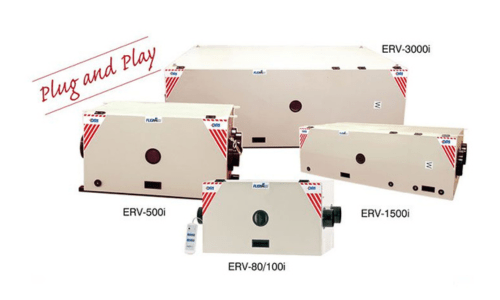
Fortunately, the menace of poor IAQ can be mitigated by introducing clean, fresh air from outside into the building. Energy Recovery Ventilation (ERV) is the most effective solution for improving IAQ by continuously circulating cool, fresh air.  

Energy Recovery Ventilators is a balanced mechanical ventilation system that conditions incoming fresh air by recovering energy from the outgoing stale air, matching indoor temperature. Not only does ERV efficiently eliminate thick indoor air, but it also replaces it with fresh outside air.  

This versatile technology not only exchanges dry heat but also removes moisture from space. Furthermore, ERV minimizes energy loss by transferring humidity and heat from the outgoing stale/exhaust air to the incoming fresh air throughout the year.  

Energy recovery ventilation is the future of intelligent buildings that prioritize energy efficiency. It seamlessly integrates with HVAC systems without compromising operational capacity, significantly enhancing overall efficiency. By adopting ERV, facilities can achieve comfortable conditions in an environmentally friendly and sustainable manner, marking a significant step towards healthier indoor environments.  

Exploring ERV and HRV Systems: Unveiling Their Inner Workings  

As previously mentioned, ERV (Energy Recovery Ventilation) and HRV (Heat Recovery Ventilation) systems ensure a consistent supply of fresh air while harnessing and reclaiming energy before it exits the building. This remarkable feat is achieved through a heat exchanger, which transfers heat between the outgoing building air and the incoming fresh air. It’s important to note that the two airstreams never come into direct contact.  

Instead, ERVs and HRVs employ various technologies to transfer heat and humidity, pre-conditioning the incoming fresh air. The choice between ERV and HRV technology depends on factors such as the building type, its specific usage, and any seasonal or climate variations that may come into play.  

The primary consideration in selecting the appropriate technology revolves around the need for humidity control. While a heat recovery ventilation system solely recovers heat from the exhaust air, an energy recovery ventilation system goes further by recovering heat and moisture. This capability allows for effective control of humidity levels within the building. In most building applications, this can significantly impact heating and cooling costs, as well as overall comfort throughout the building.  

Despite the seemingly complex nature of these systems, ERVs and HRVs can be highly efficient. The efficiency level can vary depending on the technology employed and its specific application. However, these units can generally achieve efficiency levels ranging from 50% to 80%, effectively capturing a substantial portion of the energy before it escapes the building.  

By pre-conditioning the incoming air, an ERV or HRV reduces the load on the building’s HVAC system. This translates to lower energy bills and the potential to downsize the HVAC system, resulting in additional cost savings.  

The benefits of ERV and HRV systems extend beyond reduced heating and cooling loads. These systems can help balance the ventilation system, effectively addressing any positive or negative pressure issues within the building. In doing so, they can minimize uncontrolled infiltration or exfiltration, if present (although tighter structures typically do not encounter this problem). 

Moreover, ERVs and HRVs can be configured in various setups, whether integrated with an existing HVAC system or installed alongside a new one. This flexibility allows for customization based on the unique needs of the building. 

 At DRI Rotors, we assist our customers with the most profitable energy ventilators for their business needs. Get in touch with our representatives today to discuss the best solution for you. 

When dealing with hotter seasons or living in warmer climates, animal farmers frequently face the issue of keeping their livestock cool and comfortable. High temperatures and humidity in barns can induce heat stress, a condition detrimental to the health of poultry, cattle, and pigs.

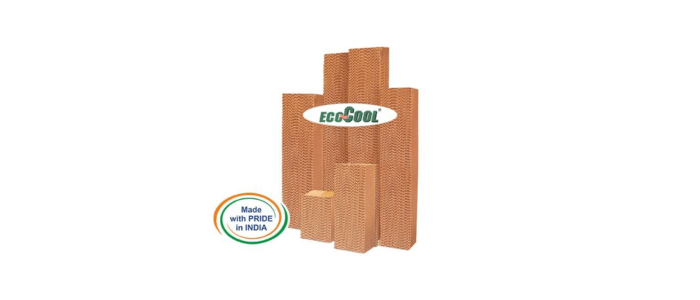
Amongst various cooling solutions, evaporative cooling pads – also known as cooling cells, stand out as a standard and practical choice. These systems harness the natural cooling properties of evaporation to lower air temperatures within barns. In this context, let’s delve deeper into how DRI’s EcoCool Pads operate and benefit farmers.

The pads, typically made from materials like cellulose, cardboard, or PVC, are at the heart of an evaporative cooling system. DRI’s EcoCool Pads are uniquely designed with a honeycomb structure to optimize water saturation and airflow.

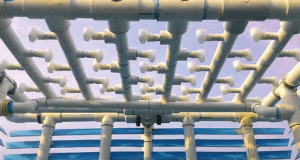
Water is introduced into the pads, typically through a water pipe across the top. Any evaporated water is collected at the bottom and recycled back into the pads. This evaporation-centric cooling mechanism is a simple yet effective process reminiscent of how humans sweat to cool down.

When the warmer air contacts the cooler water in the pads, heat is transferred from the air to the water. This exchange induces water evaporation, consequently cooling the air. With EcoCool Pads, temperature drops of 10-20°F are standard, and in hot, dry climates, the cooling effect can be even more substantial.

EcoCool Pad systems are strategically designed to cool air as it enters the barn naturally. Usually, the system is installed ahead of intake fans that draw in external warm air. As this air traverses the pads, it is cooled by exchanging heat with the water. Other fans at the opposite end of the building draw the cooled air across the barn, creating a ‘cooling tunnel’ effect.

Cooling pads such as EcoCool are inherently safe

Given that they use water and natural evaporation, there’s minimal chemical leakage or cross-contamination risk. Moreover, they do not directly moisten the barn interior, mitigating potential health risks for the livestock. They’re also straightforward to clean, reducing the chances of mould, mildew, or mineral accumulation within the pads.

EcoCool Pads offer several advantages to farmers

These pads outperform other cooling systems in mitigating heat stress, particularly in ideal environments. They are cost-efficient and energy-saving, especially when paired with active ventilation. The pads promote green cooling, air pollution-free, and significantly reduce health risks by minimizing chemical and gas emissions. Moreover, they can be easily installed and maintained, and their utility spans a wide range of applications, from animal barns to greenhouses.

Using the concept of evaporative cooling

EcoCool Pads provide a fresh breeze of cool air by allowing warm or hot air to pass through their water-saturated surfaces, facilitated by a fan. This process evaporates water when the air meets the wet surface, cooling and humidifying the incoming air.

Benefits of DRI EcoCool Pads:

  • Cellulose Composition: EcoCool is made from a unique, cross-sectional fluted medium, specially processed to retain and absorb water, maximizing cooling efficiency.
  • Strong Form: The distinctive fluted structure of EcoCool is designed to prevent sagging and resist blockages.
  • High Efficiency: It allows for greater cooling with reduced air volume, with an impressive efficiency rate of over 80%.
  • Durable: EcoCool is fortified with specific anti-decay chemicals, enhancing its lifespan.
  • Powerful Cooling: EcoCool reduces temperatures efficiently with minimal energy expenditure.
  • Easy Maintenance: The unique design of EcoCool helps to decrease the accumulation of dust and other debris.
  • Superior Performance: Compared to other pads, EcoCool can manage triple the air velocity over the same area, due to its specialized treatment, offering higher efficiency.
  • Versatility: EcoCool can be adapted for unique applications and seamlessly integrates with all air handling and air conditioning systems.
  • Simple Retrofitting: EcoCool can be easily fitted into existing systems.

Conclusion

EcoCool Pads are environmentally friendly and economical, providing a superior cooling solution for industrial and commercial premises, greenhouses, livestock areas, poultry farms, and other agricultural sites.

DRI’s EcoCool Pads create an optimal environment for nurturing nursery plants, specialized crops, and seed farming by keeping temperatures low in greenhouses and other agricultural areas. They offer many benefits, such as protection from excessive solar radiation, the ability to grow crops all year round, and support off-season nurseries. The result? Healthy, high-quality crops with excellent yield. Indeed, they serve as an ideal solution for hydroponic greenhouses. What are you waiting for? Contact our experts for your needs to customize air cooling solutions. We will surprise you with excellent results.

Excess humidity in indoor environments can lead to various issues, from mould growth and structural damage to reduced indoor air quality and discomfort. Conventional dehumidifiers have been relied upon to address these challenges, but they often come with limitations regarding energy efficiency and overall effectiveness.

However, with advancements in air treatment technology, innovative solutions like Active Dehumidification Wheels have emerged, providing efficient and reliable moisture control for various industries and settings.

At DRI Rotors, we are at the forefront of air treatment solutions, and our Active Dehumidification Wheels are designed to optimize indoor air quality while ensuring energy efficiency and cost-effectiveness. In this article, we will discuss the concept of dehumidification, introduce Active Dehumidification Wheels, and delve into the advantages they offer for effective moisture control.

Understanding Dehumidification

Dehumidification involves removing excess moisture from the air to maintain optimal indoor humidity levels. Excessive humidity can lead to many problems, including mould growth, corrosion, musty odours, and compromised indoor air quality. Conventional dehumidifiers typically rely on refrigeration or absorption to extract moisture from the air. Still, these methods may consume significant energy and may not be the most efficient solution for large-scale applications.

Introducing Active Dehumidification Wheels

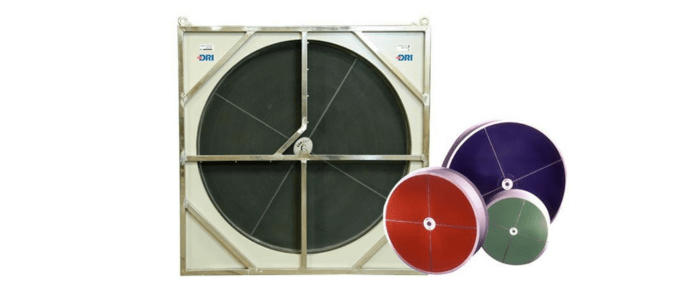
Active Dehumidification Wheels are a revolutionary solution to combat humidity-related issues effectively. These wheels incorporate advanced technology to actively transfer sensible and latent energy between the incoming and outgoing air streams. Unlike traditional dehumidifiers, Active Dehumidification Wheels work on a regenerative cycle, making them highly energy-efficient and cost-effective.

Advantages of Active Dehumidification Wheels

Energy Efficiency and Cost-Effectiveness: Active Dehumidification Wheels leverage the energy from the outgoing air to pre-condition the incoming air, significantly reducing energy consumption compared to conventional dehumidifiers. The energy-saving potential of these wheels can lead to substantial cost reductions in the long run.

Improved Indoor Air Quality and Comfort: By maintaining optimal humidity levels, Active Dehumidification Wheels prevent mould and bacteria growth, ensuring better indoor air quality and a healthier environment for occupants. Moreover, they enhance comfort by reducing humidity-related discomfort, such as sticky and clammy air.

Moisture Control for Preventing Mold and Bacteria Growth: Excess moisture in indoor spaces creates a conducive environment for mould and bacteria to thrive. Active Dehumidification Wheels prevent mould growth and microbial contamination, promoting a cleaner and safer environment.

Applications Across Different Industries and Settings: Active Dehumidification Wheels find applications in various industries, including pharmaceuticals, food processing, museums, and data centres. They suit commercial and industrial settings, ensuring efficient moisture control in diverse environments.

DRI Rotors’ Cutting-Edge Solutions

DRI Rotors is a leading provider of air treatment solutions, and our Active Dehumidification Wheels are designed with cutting-edge technology to meet the unique needs of each application. We offer customization options, allowing businesses and industries to tailor the solutions to their specific requirements.

Our Active Dehumidification Wheels have been successfully installed in various projects, showcasing their effectiveness in moisture control and energy efficiency. With a team of experts in air treatment technology, we strive to provide state-of-the-art solutions that deliver outstanding performance and reliability.

Integration with HVAC Systems Active Dehumidification

Wheels can seamlessly integrate with existing HVAC system s, enhancing their overall efficiency. The wheels contribute to energy savings and extend equipment lifespan by reducing the workload on HVAC equipment. Combining Active Dehumidification Wheels with HVAC systems results in a comprehensive air treatment solution that ensures superior indoor air quality.

Environmental Benefits

At DRI Rotors, we are committed to environmental responsibility, and our Active Dehumidification Wheels align with sustainable building practices. The energy-efficient operation of these wheels reduces carbon footprint and supports green building certifications. Businesses can contribute to environmental conservation and sustainable practices by choosing Active Dehumidification Wheels.

Maintenance and Support

DRI Rotors provides comprehensive maintenance support to ensure Active Dehumidification Wheels’ longevity and optimal performance. Regular maintenance practices are recommended to keep the wheels in top condition, and our expert team is available to assist with any technical inquiries or assistance.

The Future of Active Dehumidification Wheels

The future of air treatment technology holds exciting possibilities, and DRI Rotors is dedicated to continual innovation. We are actively exploring advancements in dehumidification technology further to enhance the efficiency and effectiveness of Active Dehumidification Wheels. Our commitment to research and development enables us to shape the future of moisture control solutions.

Conclusion

Active Dehumidification Wheels have revolutionized how we address indoor humidity-related challenges. These wheels offer innovative solutions for effective air treatment with their energy efficiency, superior moisture control capabilities, and versatile applications. At DRI Rotors, we are proud to be at the forefront of this technology, providing cutting-edge solutions that optimize indoor air quality and contribute to a sustainable future. Whether for commercial, industrial, or specialized applications, our Active Dehumidification Wheels offer a reliable and efficient moisture control solution for any setting.

Addressing Humidity and Temperature Differences

Maintaining optimal humidity and temperature levels in a facility can be challenging. Simply adjusting the quality of fresh air entering the building can help, but it often comes at the cost of significant energy consumption. Energy Recovery Wheels (ERWs) play a vital role in HVAC systems. While many energy recovery devices focus solely on heat transfer, ERWs, a type of energy recovery ventilators (ERVs), passively transfer both sensible (heat) and latent (moisture) energy between incoming and outgoing airflow.

Understanding the Energy Recovery Wheel

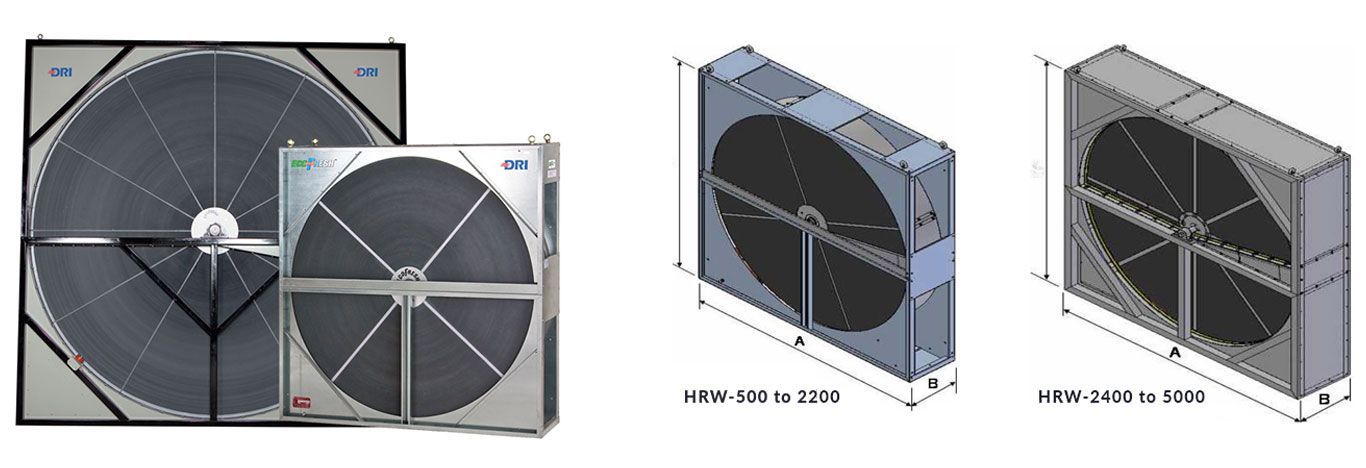
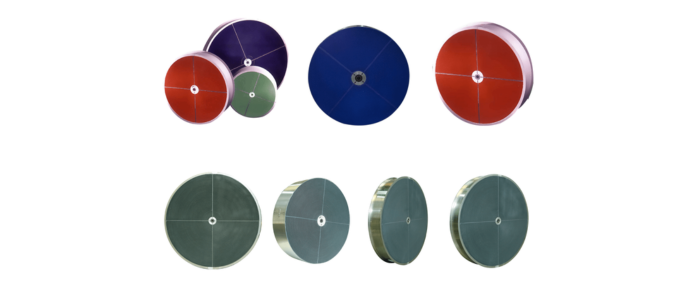
The Energy Recovery Wheel consists of a rotating wheel with absorbing materials that offer a large internal surface area, facilitating efficient heat exchange (energy transfer). Additionally, the spinning wheel is coated with a desiccant material that absorbs moisture, aiding in the transfer of latent energy.

The Benefits of Energy Efficiency in Manufacturing

In manufacturing, energy consumption is a significant factor in production costs. As the industry becomes increasingly competitive, businesses strive to reduce expenses without compromising product quality. Energy-efficient technologies can be crucial in improving processes and overall quality, leading to increased output while reducing costs. Embracing energy efficiency results in cost savings and aligns with sustainability goals, reducing emissions and the company’s carbon footprint. Prioritizing energy efficiency allows plant managers to reduce energy consumption without compromising product quality, making it an excellent business strategy for manufacturing companies.

Energy Recovery Wheels for Enhanced Efficiency

Energy Recovery Wheels utilize porous materials that efficiently transfer both sensible (heat) and latent (moisture) energy, minimizing the wastage of conditioned indoor air. By incorporating desiccants such as Silica Gel or other molecular sieves, the cost of air conditioning can be reduced, resulting in potential savings of up to 50%.

Limitations and Considerations

It is essential to acknowledge that ERWs come with certain limitations. Concerns regarding cross-contamination arise when fresh air is introduced to areas that handle lethal products, oncology medications, or hormone-sensitive products. Proper assessment and design considerations are crucial to ensure the appropriate use of ERWs in such applications.

Understanding the Working Principle of ERWs

The transfer of energy occurs between the supply air and exhaust air in an ERW system, adhering to the principles of the first law of thermodynamics. The ERWs are positioned within building ventilation systems where exhaust and outside air flow in different directions but are adjacent. As the ERW rotates, one-half of the wheel is exposed to outdoor air, while the other half faces contaminated air. This configuration enables a counterflow exchange, allowing the ERW to absorb desired humidity and temperature from the outside air and passively create the desired temperature within the building through different driving mechanisms.

The rotating wheel facilitates energy exchange from the higher to lower airstream, utilizing sensible energy (via a honeycomb metal matrix) and latent energy (via a moisture-absorbing material such as silica gel). Outdoor and indoor airflows are aligned in parallel ducting. As the outdoor air passes through the ERW, the exposed half of the wheel absorbs sensible and latent energy, transferring it to the inside air. This process keeps the airflows separate, and the exchanged air entering the premises is either warmed or cooled based on the physical properties of the Energy Recovery Wheel.

By recycling the beneficial properties of air inside the building, rather than relying on new energy sources, the exhaust air preheats the supply air in winter and pre-cools it in summer. The desiccant coating plays a crucial role in achieving these desired outcomes. Some systems even use Energy Recovery Wheels to reheat supply air after it has been cooled, offering an effective means of humidity control.

Maximizing HVAC Efficiency with Energy Recovery Wheels

Incorporating Energy Recovery Wheels into HVAC systems can improve energy efficiency while maintaining indoor comfort. By utilizing the capabilities of ERWs, facilities can reduce energy consumption and operating costs and create a healthier indoor environment. When selecting an ERW system, you must consider specific requirements and consult experienced HVAC experts. Embrace the power of Energy Recovery Wheels and unlock the potential for enhanced HVAC efficiency in your facility.

What are Purge Sections?

ERW designs incorporate purge sections to mitigate the risk of cross-contamination. These sections leverage the pressure difference between outdoor and return air to purge the trapped contaminated exhaust air with clean air before it enters the supply airstream. Strategically positioning the purge section within the ERW acts as a safeguard, eliminating any potential for cross-contamination and ensuring that only clean, fresh air is supplied to the indoor environment.

With DRI Rotor’s expertise in energy-efficient designs and commitment to delivering sustainable solutions, you can rely on our team to optimize your ventilation system’s performance and create a healthier, more comfortable indoor environment. Request a call back now.

Desiccant Dehumidifiers: Efficient and Earth-Friendly Moisture Control Solutions

Most people are familiar with the standard refrigerant-based models when it comes to dehumidifiers. However, a lesser known yet highly effective alternative is the desiccant dehumidifier. Unlike traditional refrigerant dehumidifiers, these innovative devices use a desiccant substance to remove moisture from the air, making them more energy-efficient and environmentally friendly. In this blog post, let’s discuss the working principles of desiccant dehumidifiers, their unique adsorption process, and the various industries where they excel in providing effective moisture control.

What is a Desiccant Dehumidifier?

Desiccant dehumidifiers operate without refrigerant and compressors, employing a desiccant wheel to cleanse moisture from the air. Unlike conventional dehumidifiers, such as low-grain refrigerant (LGR) units, desiccant dehumidifiers function at significantly lower temperatures and offer quieter operation. These eco-friendly units also operate more efficiently, resulting in reduced power consumption.

Understanding Adsorption

The desiccant dehumidifier’s effectiveness lies in adsorption, wherein water molecules in damp air are attracted and held on the surface of the adsorbent (desiccant). This is distinct from absorption, where the material absorbs moisture into its structure. For example, activated carbon and silica gel, commonly used in air filters and freshness packets, utilize adsorption to remove odours and moisture.

How Does a Desiccant Dehumidifier Work?

Desiccant dehumidifiers comprise a wheel coated with silica gel, a drive motor and belt, a small heater, and a blower. The process begins when damp air is drawn into the dehumidifier, passing through the desiccant wheel, where moisture is adsorbed on the silica gel surface. Most dry air is then expelled back into the space, while a portion is directed through the heater, becoming regeneration air. This warm, dry air is then passed through the desiccant wheel to release the collected moisture, regenerating the silica gel.

Their adsorption process, precise humidity control, and ability to work efficiently in low temperatures make them a preferred choice for different industrial applications. From pharmaceutical manufacturing and food processing to electronics and marine environments, desiccant dehumidifiers ensure a comfortable and moisture-free indoor environment, protecting assets and preserving the quality of products. Embrace the cutting-edge technology of desiccant dehumidifiers to optimize indoor air quality and combat moisture-related challenges effectively.

Benefits of Desiccant Dehumidifiers:

Desiccant dehumidifiers offer a wide array of benefits, making them a preferred choice for moisture control in various industrial, commercial, and residential settings. Let’s explore the advantages of these innovative devices that set them apart from traditional refrigerant-based dehumidifiers:

Superior Moisture Removal: Desiccant dehumidifiers are exceptionally efficient at removing moisture from the air. Their adsorption process allows them to attract and hold moisture molecules on the surface of the desiccant wheel, effectively lowering humidity levels in the indoor environment. Whether it’s a damp basement, a large industrial facility, or a museum housing valuable artifact, desiccant dehumidifiers ensure optimal moisture removal.

Effective in Low Temperatures: Unlike refrigerant-based dehumidifiers that struggle to perform in cold climates or low temperatures, desiccant dehumidifiers excel in such conditions. They can continue to function efficiently even at below-freezing temperatures, making them a reliable choice for spaces where maintaining low humidity levels is critical.

Precise Humidity Control: Desiccant dehumidifiers provide precise control over indoor humidity levels. This is particularly beneficial in pharmaceuticals, food processing, and electronics industries, where precise humidity control is necessary to maintain product integrity and quality. Achieving and maintaining specific humidity levels makes desiccant dehumidifiers an invaluable asset in critical processes.

Energy Efficiency: Desiccant dehumidifiers operate with reduced power peaks, producing energy-efficient performance. Unlike refrigerant dehumidifiers that require high power consumption during operation, desiccant dehumidifiers offer a more sustainable and eco-friendly solution for moisture control. This energy-efficient operation leads to lower utility bills and reduced environmental impact.

Environmentally Friendly: By using adsorption instead of refrigerant-based cooling, desiccant dehumidifiers are free from ozone-depleting substances, making them environmentally friendly. Businesses and industries seeking sustainable and green solutions can rely on desiccant dehumidifiers to fulfil their moisture control needs without harming the ozone layer.

Low Maintenance: Desiccant dehumidifiers require minimal maintenance compared to traditional refrigerant-based dehumidifiers. Since they do not have condensate or refrigerant to manage, there is no need for frequent emptying of water tanks or complex refrigerant system maintenance. This low maintenance aspect makes them ideal for applications in unattended or remote locations.

Versatility in Applications: Desiccant dehumidifiers find applications in various industries and spaces. They are effective in industrial processes, commercial buildings, warehouses, indoor growing facilities, museums, preservation and archives, pharmaceutical labs, and more. Their ability to lower humidity levels in hostile environments makes them an adaptable solution for various challenging applications.

Compact and Lightweight Design: Desiccant dehumidifiers are designed to be tight and lightweight, making them easy to install and move when needed. Their portability and versatility make them suitable for temporary moisture control in construction sites or emergencies.

Applications of Desiccant Dehumidifiers

Pharmaceutical Industry: Desiccant dehumidifiers are essential in pharmaceutical production facilities to maintain optimal humidity levels and protect product integrity.

Printing & Paper Industry: These units prevent moisture-related issues like clogging and bulking in printing and paper processes.

Marine Environments: Desiccant dehumidifiers are utilized in ship-building and marine environments to control humidity and prevent corrosion.

Food Production & Processing: Commercial food production facilities rely on desiccant dehumidifiers to maintain proper humidity levels and prevent spoilage.

Indoor Growing: Desiccant dehumidifiers are indispensable for indoor growing operations to control humidity during harvest drying and curing processes.

Storage and Packing Facilities: These units prevent mould growth and condensation in storage and packing facilities, preserving the quality of stored goods.

Unfinished Buildings & Construction Sites: Desiccant dehumidifiers effectively reduce humidity in construction sites and unfinished buildings, preventing damage to materials.

Electronics: These units help maintain the ideal humidity levels for sensitive electronic components.

Conclusion

Desiccant dehumidifiers are an innovative and effective solution for moisture control in various industries. Their adsorption process, precise humidity control, and eco-friendly operation make them a superior choice in challenging environments where low humidity is essential. From pharmaceutical manufacturing to indoor growing operations, desiccant dehumidifiers offer unmatched performance and efficiency. Embrace the benefits of desiccant dehumidifiers to ensure optimal indoor air quality and protect your assets from moisture-related issues.

Various approaches have been undertaken to conserve energy and enhance indoor comfort. Initially, the concept was to seal buildings, minimizing the infiltration and ventilation of air, thereby retaining the warm or cold air inside and reducing energy use.

Unfortunately, this method quickly showed flaws as the building occupants started to experience symptoms like dry coughs, headaches, and nasal irritations. The culprit has been the contamination within the air conditioning system.

Research has consistently highlighted the correlation between indoor air quality and human health after this revelation. As a result, the approach shifted from sealing buildings to sourcing solutions from external air i.e. Dedicated Outdoor Air Systems.

So, What Exactly is a Dedicated Outdoor Air System (DOAS)?

Judging by its name, one could assume the system is designed for outdoor use. However, having a system intended to enhance outdoor air quality wouldn’t make sense. Thus, it’s a system built outdoors to modify indoor air quality.

In essence, DOAS is an outdoor HVAC system, typically complementing other HVAC equipment. It acts as an air filter for the HVAC system, filtering the outdoor air before introducing it inside the building. As such, DOAS can eliminate outdoor air contaminants and minimize indoor air pollution.

Usually, HVAC systems must process a considerable amount of outdoor air to provide warm or cold air indoors. The high humidity of outdoor air can lower the efficiency of the HVAC. DOAS addresses this by dehumidifying outdoor air and reducing energy consumption during ventilation.

Hence, when used alongside an indoor HVAC system, a DOAS can significantly improve indoor air quality, decrease energy usage, and avoid moisture-related issues within the HVAC system.

Indoor Air Quality Begins with Proper Ventilation

CO2 management in occupied spaces is at the heart of most ventilation requirements. As people breathe out CO2, high concentrations of this gas can accumulate in heavily populated areas, potentially reaching levels as high as 2000 to 5000 ppm, compared to the outdoor average of 400 ppm. Adequate ventilation is crucial to maintaining low CO2 levels and indoor air quality.

The Power of Decoupling with DOAS

DOAS offers several benefits over central station ventilation, making it a preferred choice for many designers. These benefits include enhanced ventilation quality, decoupled energy efficiency, and better control over temperature and humidity. Traditional central air handlers and rooftop units generally mix, condition, and supply outdoor and recirculate return air to space through a single piece of equipment, with outdoor air making up a small fraction of the supplied air.

The primary issue with these systems is the need for more ability to measure or control where the outdoor air ends up. Using a DOAS unit to decouple the ventilation air from the central recirculated air ensures evenly distributed fresh air across the building.

Moreover, the decoupling process allows controlled delivery of ventilation air to only occupied areas of a facility, promoting energy savings in low- or mixed-occupancy spaces. Such precise control is unachievable with centrally distributed ventilation systems.

Furthermore, the conditioning and supply of ventilation air is typically the most energy-intensive part of HVAC systems. Extreme temperature and latent loads can overpower traditional central stations or small terminal conditioning equipment, causing temperature control issues and excessive humidity.

DOAS is specifically designed to manage the extremes of processing ventilation air efficiently. By decoupling the ventilation air from the recirculated system, facility managers can independently control space humidity and temperature using DOAS for primary dehumidification and recirculating equipment for temperature control. This method promotes thermal comfort and ensures fresh air delivery to occupied spaces.

Packaging Efficiency

DOAS achieves the abovementioned benefits by leveraging cutting-edge refrigeration, control, and energy-recovery technologies. Most DOAS units are packaged direct expansion (DX) systems incorporating efficient variable-speed or multi-stage compressors for precise temperature and humidity control. This broad range of compressor capacity modulation is crucial to maintaining optimal comfort while minimizing energy usage. Coupling variable-speed DX technology with energy recovery solutions, like enthalpy wheels, plate heat exchangers, and hot gas and liquid sub-cool reheat systems, allows for high efficiency even under challenging conditions.

As the focus on ventilation and air quality continues to grow among facility managers and building owners, a trend expected to intensify, DOAS systems are increasingly recognized as a viable choice to promote energy-efficient healthy buildings. Get in touch with DRI Rotors to keep your facilities more relaxed and comfortable than others.

whatsapp_avatar

DRI Support
Online

For assistance, please enter your email and phone number below.
×
Chat with Us