DRI Rotors

Search

By Rahul Aeron AVP, DRI-Desiccant Rotors International |  Added 17 August 2022

The rapid rate of urbanization has given rise to the issue of air pollution. Efforts are being made at the global level to tackle the issue wreaking havoc on the environment. Looking at the magnitude of outdoor air pollution people fail to recognize the indoor air pollution existing in their close proximity. But the indoor air pollution is as detrimental as outdoor air pollution and at times can even exceed the degree of damage incurred on the individual as it is unable to find an escape from the enclosed space.

Moreover, the present age building structures with tight designs for restricting filtering of the air inside are further compounding the problem by leaving no space for ventilation. The presence Rahul Aeron DRI Desiccant Rotors International DRI Rotorsof indoor air pollutants like formaldehyde, asbestos, VOCs dust, pollen, dirt, pet dander, biological growth, and excess humidity within the enclosed space, invariably deteriorates the Indoor Air Quality (IAQ) making it 2-3 times more polluted than the outdoor air. The vulnerability of the occupants increases substantially as poor IAQ leads to serious short-term and long-term health effects that may not show immediate signs but remain present as an underlying ailment in a subtle way. While breathing issues, lethargy, and pain in the eye, are some of the common and direct consequences of poor ventilation, there has been an emergence of a phenomenon called ‘Sick Building Syndrome’ that impacts the overall health and well-being of the person. People with pre-existing allergies and asthma conditions are the worst affected.

The intensity of the problem magnifies in large commercial and industrial spaces which have complex, packed structures leaving no scope for influx or outflux of air and generally are huddled with a large number of people. While the poor IAQ can negatively impact health, in places like offices, schools, and other workplaces, the uncomfortable conditions can immensely meddle with the concentration power of the individual and lead to reduced productivity of the occupants within the building.

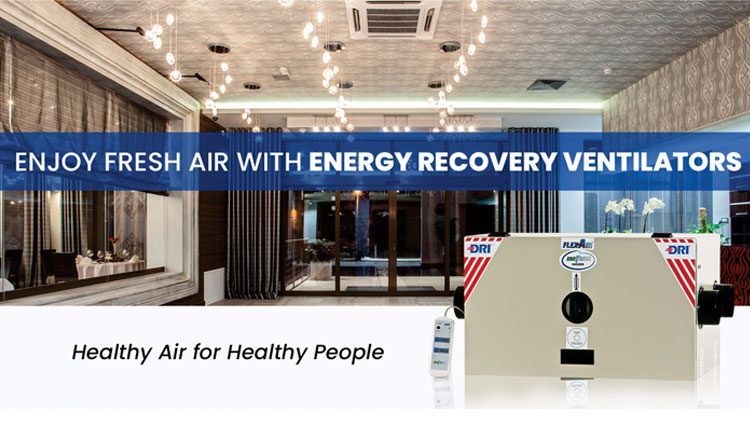
The menace of poor IAQ can be curtailed by introducing clean fresh air from outside to the building. Energy Recovery Ventilation (ERV) is the most viable solution for improving the IAQ by ensuring the continuous circulation of cool fresh air. The ERV is balanced mechanical ventilation that preconditions the fresh air coming inside by recovering energy from the outgoing stale air to match the indoor temperature. ERV is highly efficient at getting rid of the stale air inside the building and replacing it with fresh air from outside. It is a versatile technology that is not just limited to the exchange of dry heat but goes a step further and removes the moisture from the space as well. Adding to the list of advantages, it is well adept at minimizing the energy loss where the heat exchangers transfer moisture and heat from outgoing stale / exhaust air to incoming fresh air through out the year.

Therefore, energy recovery ventilation is the way ahead for smart buildings which have value for energy saving. It functions smoothly without interfering with the operating capacity of the HVAC systems but contributes immensely to enhancing its efficiency. This is the most sustainable solution for achieving comfortable conditions within a building in the most environmental-friendly way.

To watch a brief video on Energy Recovery Ventilators, click https://www.youtube.com/watch?v=eE6uzVuft38
By Debashish Roy Choudhury AVP, ARCTIC Division, DRI |  Added 12 July 2022

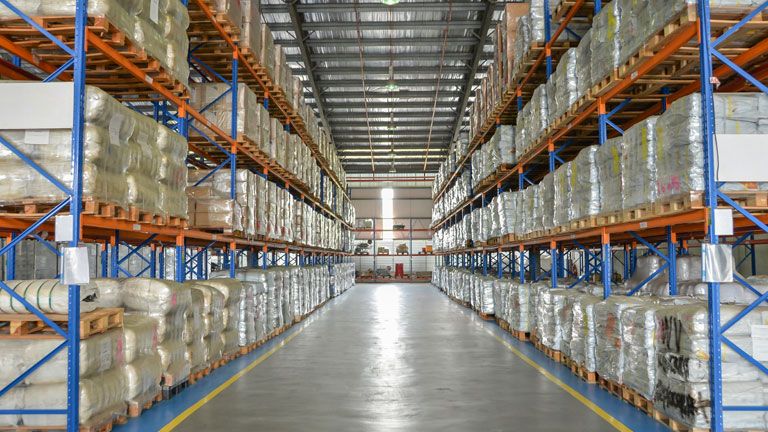
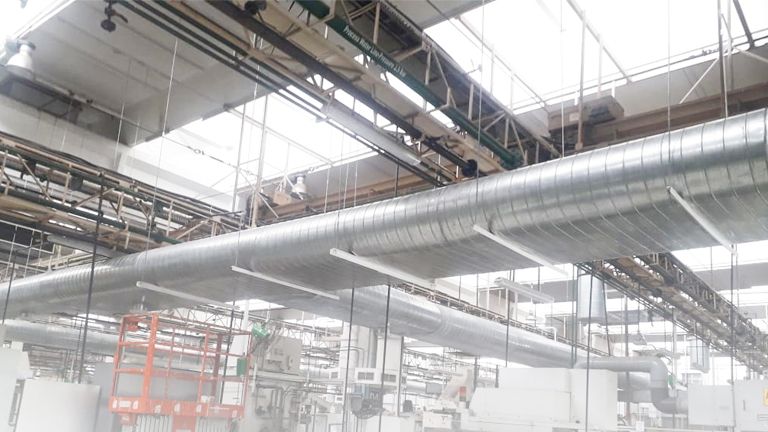
The heat issue is an unsaid problem arising inherently in the warehouse setup. Warehouses form an essential part of the logistics value chain that offers space for goods collection, sorting, and dissemination within the supply chain. Therefore, it entails a large space with high ceilings to suffice the storage of all kinds of goods ranging from lightweight cartons to heavy-load commodities. As a result, dealing with the heat issue in the warehouse becomes tricky for which quality air solutions must be deployed to cool down the large space effectively.

Generally, the warehouses are managed by the on-ground workforce who carry out the smooth movement of goods by making use of a mix of manual as well as heavyweight machinery. Entailing to the nature of work involved, it generates a tremendous amount of heat within the premises which is responsible for high temperature that is unsuitable for the working conditions of the employees. Being exposed to excessive heat for a prolonged period of time can give rise to a phenomenon called heat stress that impedes the working efficiency of people and can impact their productivity. Therefore, controlling the temperature within the vicinity of the warehouse becomes imperative to retain its integrity and efficiency.

768 x 432 DRI Rotors

As the area is large, Industrial Evaporative Cooling is the most effective solution suitable for the complex structure of the warehouse. Here, opting for air conditioning solutions can prove to be very expensive considering the large area to be cooled down. It will not just levy heavy installation charges but will continually add to the expenses with the high operational costs. Besides, given to the large space, a lot of energy gets wasted in cooling down the extra space. In contrast to air conditioning, evaporative cooling is adept at providing cooling solutions in the most cost-effective way. The installations require minimal capital costs where the average price of setting up the system is one-fourth of the air conditioning option.

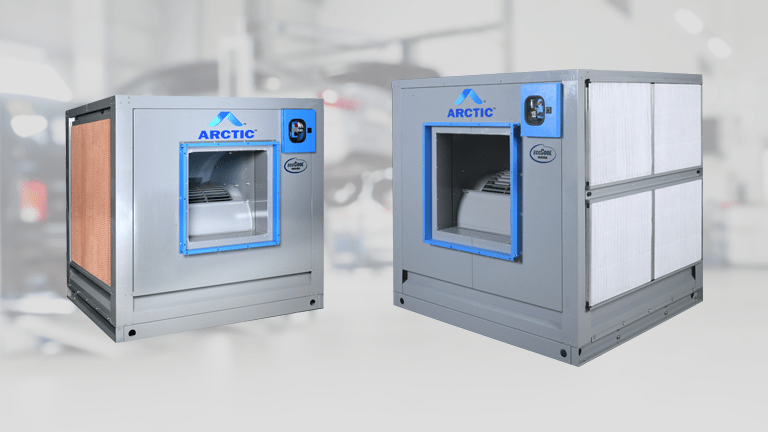
Additionally, the mechanism is highly energy-efficient as it makes use of natural resources to cool down the area which substantially reduces the running costs of the machines. This innovative cooling solution is packed with high saturation efficiency and highly adsorbent materials that catalyze the productivity of the machine. As a result, energy consumption is minimized by utilizing 80 percent less electricity as compared to other alternatives available in the market. Here, brand like ARCTIC is proficient in fulfilling the air quality requirements, ensuring cooling solution in a comfortable and tension-free way.

Given that evaporative cooling makes use of natural resources, it consequently takes an environmentally-friendly route. In the process, it makes use of 100 percent natural fresh air from the surrounding air to cool down the large warehouse while ensuring a continuous supply of fresh oxygen to the room. The mechanism maintains the continuous influx and circulation of fresh air that reduces the sultriness of the packed space. It helps perishable goods to be kept in temperatures of around 30 °C and in the process, even eliminates the indoor stagnant air which can be a major factor harboring the growth of viruses and bacteria. Consequently, it also removes the fumes, odor, carbon dioxide, and other airborne impurities, and the built-in dust from enclosed space. All in all, evaporative cooling goes way beyond just cooling the warehouse and also improves indoor air quality at the same time. This is a major step towards reducing the carbon footprint.

Image DRI Rotors

Deploying evaporative cooling, automatically reduces the temperature by 10 °C to 12 °C which is done with the simple mechanism of filtering hot, dry air through the water-saturated cooling pads. Here, the evaporating water initiates the formation of cooling vapor which is responsible for cooling down the space.

The evaporative cooling solutions help in boosting the productivity of the employees as in a comfortable environment they are better able to concentrate and deliver error-free work. This invariably contributes to the profitability of the company. Looking at the advantages of evaporative coolers it emerges as the best cooling solution for complex warehouse structures.

By Debashish Roy Choudhury AVP, ARCTIC Division, DRI |  Added 29 July 2022

Industrial Evaporative Cooling emerges as the most suitable option for providing cooling solutions in a factory

Evaporative Cooling is highly preferred by the factory settings for its economical cooling solutions. Considering that factories are involved in the mass manufacturing of products, they inherently encompass large space. It is coupled with complex structures for allowing the critical processes within the premises. Factories are home to heavy machines for carrying out all the critical processes like design specification, parts assemblage, raw materials processing, and execution of various crucial processes. Consequently, a lot of heat is generated within the premises which can have a damaging effect on the quality of the end product. Along with this, heat creates an uncomfortable environment leaving unsuitable conditions for work.

This highly meddles with the productivity of employees as heat leads to discomfort among them accounting for reduced accuracy. Given that cooling such a large space becomes tricky, the owners/ managers are always on the lookout for a comprehensive cost-effective cooling solution that accommodates the various aspects of a factory setting. It is very important to control the high temperatures as it can also damage the equipment over a period of time. But opting for an air conditioning system is a highly expensive option. It involves a lot of challenges to install a large number of systems which only gets compounded with the high installation, operational, and maintenance costs levied on the company.

Hence, depending on the natural resources, evaporative cooling considerably brings down the running cost of the cooler. Moreover, the high saturation efficiency of the machine backed up with self-supporting, and highly adsorbent materials further reduces the load on the cooling capacity of the system. All the factors together reduce the power required by the fan which achieves the same level of cooling at par with the air conditioning system. Cumulatively, there is 80 percent less electricity consumption when compared to air conditioners. Therefore, the entire efficiency of the evaporative cooling solution drastically brings down the operational cost where the installation cost requires almost negligible investment when compared to the other alternatives present in the market.

Owing to its wide gamut of benefits, the innovative cooling solution finds application in a number of industries ranging from automotive, food, engineering, textile, plastics, and many more. Given the cool comfortable working conditions, it escalates the attention span and hence the accuracy of the employees. Additionally, it also reduces the risk of illness arising from the poor air quality within the space. Hence, evaporative cooling is the most ideal and economical solution for the factory setup. Scaling the efficiency brand like ARCTIC comes with a deep understanding and expertise in duct designing, specially designed cooling pads, exhaust design systems for stale hot air displacement, and allowing cool fresh air to be introduced effectively and economically. (The author is AVP, ARCTIC Division, DRI)

By Debashish Roy Choudhury AVP, ARCTIC Division, DRI |  Added 19 July 2022

Factories are inherently complex structures for carrying out the manufacturing of products. It is characterised by large space with heavy machinery for various critical processes entailing design specification, the assemblage of parts, processing of raw materials, and executing other crucial operations as well. As a result, a lot of heat is generated within the space. Given the complicated nature of activities taking place, which can negatively impact the quality of end-products and at the same time create an uncomfortable environment that meddles with the working efficiency of the employees.

As the heat problem can effectively reduce the comfort, productivity, and accuracy of the employees, it can in turn affect the profitability of the company. Hence, there is a need for quality air solutions to curtail the impact of high temperature within the premises of the factory. But given the large space, arranging for suitable air solutions is very tricky. The option of air conditioning is ruled out as it is very challenging to install a large number of systems and the installation, operational, and maintenance costs posed by the system can put a lot of pressure on the financial front of the company.

Here, industrial evaporative cooling emerges as a suitable solution for meeting the demanding requirement of factory setup. It is adept at providing cooling solutions for large spaces in the most economical way with the help of factory cooling systems. The technology is effective throughout warm and tropical weather conditions.

The approach is very simple where it makes use of 100 percent natural fresh air from ambient surroundings and at the same time makes sure to continuously supply oxygen and cool down the large factory space in the most environment-friendly way. It effectively brings down the temperature by 10-12°C with the simple mechanism of drawing-in hot, dry air that is filtered and cooled through the water-saturated cooling pads. As a result, water evaporates by initiating the formation of cooling vapor. While ensuring a continuous supply of fresh air, the evaporative coolers not just cool down the large space but due to positive pressure also help in eliminating the stagnant air that inhibits the growth of viruses and bacteria. Therefore, its role goes beyond reducing the temperature within the factory premises and plays an instrumental part in improving the indoor air quality by removing fumes, odour, carbon dioxide, and other airborne impurities along with the inbuilt dust from the space. Consequently, the rate of illness occurring from bad air quality is curbed substantially.

It is the most energy-efficient solution, as it makes use of natural sources that invariably bring down the running cost of the system. Additionally, the coolers are self-supporting and backed up with highly adsorbent materials helping in high saturation efficiency that further contributes to the superior performance of the system. Given all the advantages, industrial evaporative cooling utilizes less fan power to achieve the same level of cooling that is provided by air conditioners. Also, it consumes 80 percent less electricity which drastically reduces the operational costs of the machines. Adding on to the already existing list of benefits, the installation costs also require small investments. Working with an established brand like ARCTIC for all your quality air requirements will provide you the comfort, trust, and a tension-free cooling solution. The decades of knowledge and expertise in duct designing, cooling pads, exhaust systems, etc. across diversified applications is what you get complimentary along with the product.

As a whole, this innovative cooling solution is adept at providing cool comfortable working conditions in the critical factory setup across a wide range of industries like automotive, food, engineering, textile, plastics, etc. This majorly contributes to enhancing the productivity of the employees who in the hot and stuffy conditions would have been unable to concentrate and deliver incompetent work due to the reduced accuracy in their performance. Consequently, there is a positive impact on the revenue generation of the company which makes evaporative coolers ideal and the most economical solution for factory cooling.

By Varun Pahwa, President, DRI- Desiccant Rotors International |  Added 06 July 2022

Quality air solution to cool down warehouses is of utmost importance given to the inherently large space it poses. These areas have high ceilings; where all kinds of goods from lightweight cartons to heavy-load goods are stored. It forms an essential part of the logistics where goods are stockpiled to be moved from one place to another.

The warehouses are majorly managed by an on-ground workforce who use a mix of manual as well as heavy-weight machinery for the smooth movement of the goods. Given to the nature of work being carried inside tremendous amount of heat is invariably generated within the vicinity of the warehouse. Unfortunately, this gives rise to high temperatures making the working conditions unsuitable for people within the warehouse. Exposure to excessive heat can lead to a condition of heat stress which can acutely intervene with the working efficiency of the individuals and negatively affect their productivity. Therefore, temperature control is one of the most important and efficient factors required for the maintenance of the warehouse.

Considering the large area, Industrial Evaporative Cooling is the most economical cooling solution for warehouses. Cooling down a large warehouse at times becomes very tricky as going for conventional methods consumes a lot of energy. Compounding the problem, a lot of energy is wasted because of the extra space. In such instances, evaporative colling requires minimal capital cost for installation and the average cost to set up the system is one-fourth as compared to the air conditioning option.

Additionally, it is an energy-efficient mechanism making use of natural resources that further reduces the running costs of the machines. The best part of installing innovative cooling solutions are that it is being backed up with high saturation efficiency and highly adsorbent materials that amplify the efficiency of the system. This results in minimized consumption of energy accounting for 80 percent less electricity usage as compared to other alternatives.

As stated above as evaporative cooling utilizes natural resources it is highly environmentally-friendly in its approach. It works by taking 100 per cent natural fresh air from the surroundings for cooling down the large warehouse and at the same time also ensures that there is a continuous supply of oxygen within the premises. The mechanism is well adept at the influx and circulation of fresh air in the otherwise packed and sultry warehouse. This plays an instrumental role in effectively reducing the temperature by 10° C to 12° C by simply directing hot, dry air through the water-saturated cooling pads for filtration. As a result, the water evaporates which induces the formation of cooling vapor. This in addition to cooling down the warehouse also eliminates the stagnant indoor air which if left unattended can encourage the growth of viruses and bacteriaIn the process, it gets rid of the fumes, odor, carbon dioxide & other airborne impurities, and built-in dust from the enclosed air and consequently improves the indoor air quality at the same time. Cumulatively, it is a given that industrial evaporative cooling is helpful in reducing the carbon footprint.

In addition to the above-stated benefits, the cooling solution is vital to ensure the smooth functioning of the machines which could potentially be damaged due to the overheating of the parts. On the other hand, maintaining a cool temperature helps the employees to deliver error-free work that boosts their morale and productivity, which adds to the profitability of the company.

The advantage of working with an established brand like ARCTIC is the deep understanding and expertise in duct designing, specially designed cooling pads, exhaust design systems for stale hot air displacement and allowing cool fresh air to be introduced effectively & economically; all coming from decades of knowledge. This in turn leads to repeat business orders and long-term relationships for the ARCTIC brand.

This content has been authored by Varun Pahwa, President, Desiccant Rotors International (DRI)

With low pangs of summers already being felt, people will be more prone to spend time indoors to beat the heat outside. There will be many who will be taking a sigh of relief thinking that now they will be free from the poor Indoor Air Quality (IAQ) menace prevalent during winters. But in reality, the issue of poor IAQ is a persistent issue all-round the year. It only gets worsened in summers with centralized air conditioning systems in the enclosed spaces that leave no space for the influx of fresh air and only stale air keeps circulating in the building.

The impact is felt even more starkly in industries like healthcare, construction, factories, hotels, airports, given to their packed, and complex structure that deteriorates the air quality within the premises. Moreover, these places often being huddled with large crowds compounds the problem.

As a result, there have been rising instances of ‘Sick Building Syndrome’ which is a serious threat to the health and overall wellbeing of the person. Additionally, the poor IAQ is also responsible for a wide range of issues like breathing problems, lethargy, pain in the eyes, and other long-term illnesses.

In order to arrest the issue, people need to be aware that the indoor air can easily get influenced by the outdoor air and is 10 times worse and more harmful because of restricted airflow in the enclosed area. It is not just the metropolitan cities that get affected but even the surrounding cities face the menace of poor indoor air quality.

Hence, highly efficient building management systems must be installed in centrally conditioned spaces such as office complexes, homes, malls, hotels, restaurants, auditoriums, and various other closed premises to not just deal with the contaminants/pollutants generated indoors but ensure that outdoor pollution like PM 2.5, PM10, VOCs as well other gaseous contaminants are not brought inside enclosed spaces through conditioning systems.

Understanding that the major cause of poor IAQ is the lack of clean fresh air in the buildings which only worsens with the presence of moisture, ensuring proper ventilation is the best solution to improve indoor air pollution. It dilutes the contaminated air indoors by utilizing the fresh air from outside. With the help of this approach, one can thoroughly clean the outside fresh air and introduce it into the building, maintaining positive pressure inside the building.

Here, HVAC&R systems are highly efficient in ensuring proper ventilation and are backed up with a wide range of advantages. It not just renders acceptable indoor air quality but also provides thermal comfort in the enclosed space. The system employs advanced desiccant technology that uses hygroscopic substances to suck moisture from the air in order to maintain the proper RH and cool down the indoor spaces. One of the primary benefits of this technology is that it tones down the air according to the requirement of the given space. The Energy Recovery systems ventilate the conditioned spaces without compromising on air conditioning load. Owing to this mechanism there is substantial reduction in the use of energy and utility costs.

Along with HVAC&R system installation, people must also be agile enough to adopt green building designs. Green Building Councils across the globe are playing a critical role in promoting awareness and certifying the importance of Indoor Air Quality in our day-to-day lives. The advanced buildings help in striking the right balance in the indoor air quality that does not compromise on the comfort of the people but at the same time coherently contribute to reducing the energy consumption of the building with the help of green products. These buildings are the most viable solution as it highly maintains proper relative humidity (RH) and prevents any growth of mold, mildew in the enclosed atmosphere.

With advanced systems in place and efficient air purifying systems, maintaining good indoor air quality, even in large spaces has become a cost-effective and doable affair.

Rahul Aeron, Assistant Vice President, Desiccant Rotors International | Construction Week | March 3, 2022

Over the years there has been much conversation around the alarming pollution levels in the air. From government policies to academics, huge steps have been taken to create awareness and curb the menace of pollution. But just countering the outdoor air pollution is not enough. The issue of poor indoor air quality (IAQ) has always been there and in recent years has emerged as a potential threat to human health. As people are highly conscious of outdoor air pollution it is time to focus on IAQ as well. It is potentially more detrimental than outdoor air pollution and to control the holistic issue of pollution it is equally imperative to counter the problem of poor IAQ just like the outdoor pollution.

As a large amount of time is spent indoors, quality IAQ containing breathable air, free from all pollutants adds to the higher quality of life by lowering risks associated with respiratory illness and also reducing the risk of chronic conditions. Poor IAQ has a damaging effect and can negatively impact health. Research has shown that people continuously exposed to a certain level of carbon dioxide have reduced cognitive performance by 50%. Health conditions like asthma, respiratory illness, throat, and nasal illness, coughing, scratchy throat, headaches, fatigue are common symptoms arising from poor IAQ. In certain cases, it can also lead to Sick Building Syndrome and complications of lung and heart conditions. Consequently, long-term exposure can be precursors of serious conditions. It may either exasperate the pre-existing conditions or may give rise to new health issues.

People might think that closing the windows and doors will protect them from pollution. But various elements within the closed premises deteriorate the air quality. There are various volatile organic compounds (VOCs) like synthetic building material, furnishing, cleaning supplies, aerosols, dust present in the building. They add to the pollutants already present in the air and meddle with the decision-making capacity and productivity of the person. In addition to this, the presence of humidity can further worsen the condition. It harbors mold and mildew responsible for the musty odor, condensation, and other conditions which are not visible to the eyes. The situation gets even worse in commercial and large buildings due to their complex structure and probability of being huddled with a large crowd of people.

This necessitates the removal of pollutants from the air for improved environmental benefits and public health. Here, ventilation can significantly lower the pollution level. But simply depending on natural ventilation will not give the desired results. They do not have enough power to move the air consistently. It also mixes the fresh air coming from outside with the contaminated indoor air and does not guarantee an air change rate.

Highly advanced ventilation is required. Mechanical ventilation systems must be installed for this purpose. It ensures a steady flow of fresh air throughout the building. It not just removes the stale indoor air but filters pollutants coming in from the outdoor air. An Energy Recovery Ventilator in the air conditioning system can provide a simple solution to all ventilation issues. The system improves IAQ by ventilating the space and flushing out harmful pollutants.

All this is done while being highly conscious of energy. There is minimum wastage of energy as the system utilizes waste heat of exhaust air to cool the incoming air. The ERV plays an instrumental role in saving energy which reduces the operational costs of HVAC systems. It is efficient enough to ventilate even the conditioned spaces without compromising on the air conditioning load.

The detrimental consequences of poor IAQ necessitate IAQ literacy at every stage of life as it affects each and every one, irrespective of age and place. Proper knowledge can better help people to be aware of the inherent threat lingering inside the building and deploy the necessary technologies to combat the effect of poor IAQ.

Bry-Air | Sucess Insights India | January 22, 2022

Ahead of the International Day of Education to be observed on the 24th of January, Bry Air and DRI, the flagship companies under the Pahwa Group bring about the unification of providing quality education to children and improving the employability of youth through skill development programs.

Under the initiative of the Education program, the companies have been working relentlessly throughout the pandemic to ensure seamless continuity of learning. They have provided the students with laptops and tablets which helped them to pursue their education without any hindrance during the lockdown. Looking at the disruption due to immobility, they switched to digital mode through Gyantantra Digital Dost that connected approximately 400 students together.

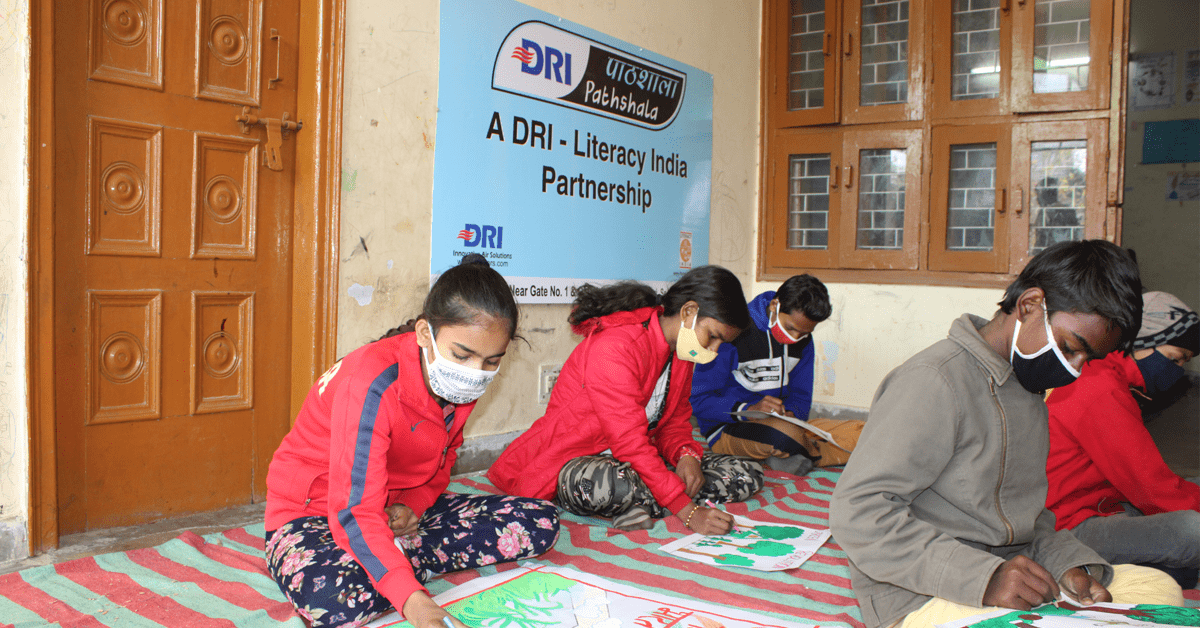
Bry-Air and DRI along with their NGO partner, Literacy India have adopted a few learning centers to provide free-of-cost education to underprivileged children. Operating as Bry-Air Pathshala and DRI Pathshala in Dharam Colony and Carterpuri village respectively, the centers facilitate holistic child development by stimulating a healthy and secure learning environment. The centers create a primary school environment conducive for non-school-going children and have been operational since 2011 and 2014 respectively. The centers come with the backup of a computer lab, a library and support the students with learning aids such as books, stationery, etc. They also conduct remedial classes for school-going children who are weak in their studies.

Bry-Air and DRI are also providing various skill development courses in diversified fields (like Electrician Training, Computer Training, Spoken English, Beautician and Tailoring) for the youths in Gurugram, Udaipur and Moga for their gainful employment. The youth (including the women workforce) is provided training through DRI Udaan Skill Development Center for Computer Training, DRI Spoken English Course, DRI Udaan Skill Development Center Dr Mathra Das Pahwa Learning Center for Beauticians & Tailoring and Bry-Air Udaan Skill Development Center for Electricians etc.

To date, the initiative by the Pahwa Group has provided primary education to 6000+ children, scholarships to 100+ students, and has rendered 2000+ youth skilled in electronics, computer training, beautician, and tailoring and benefiting 700+ students from the library facility.

Speaking on the occasion, Anandita Pahwa, Head -CSR Initiative, Pahwa Group said, “We want to render a progressive society by imparting quality education to the underprivileged and securing a bright future ahead for the children and youth”

Varun Pahwa, President, Desiccant Rotors International | Times of India | January 19, 2022,

Varun Pahwa is President DRI. DRI is a global provider of components & systems for Energy Recovery, Indoor Air Quality (IAQ), Evaporative Cooling, Dehumidification & Green Buildings.

With the coming of the winters the issue of poor air quality has again become a huge concern for people across India. Also, with Covid-19 hitting the world, people are spending more and more time indoors to protect themselves from the deadly virus. The fog coupled with smoke forms smog envelopes the city with bad air quality. Due to the chilly winter air, people resort to spend maximum time indoors to protect themselves from cold weather as well as the poor air quality outside.

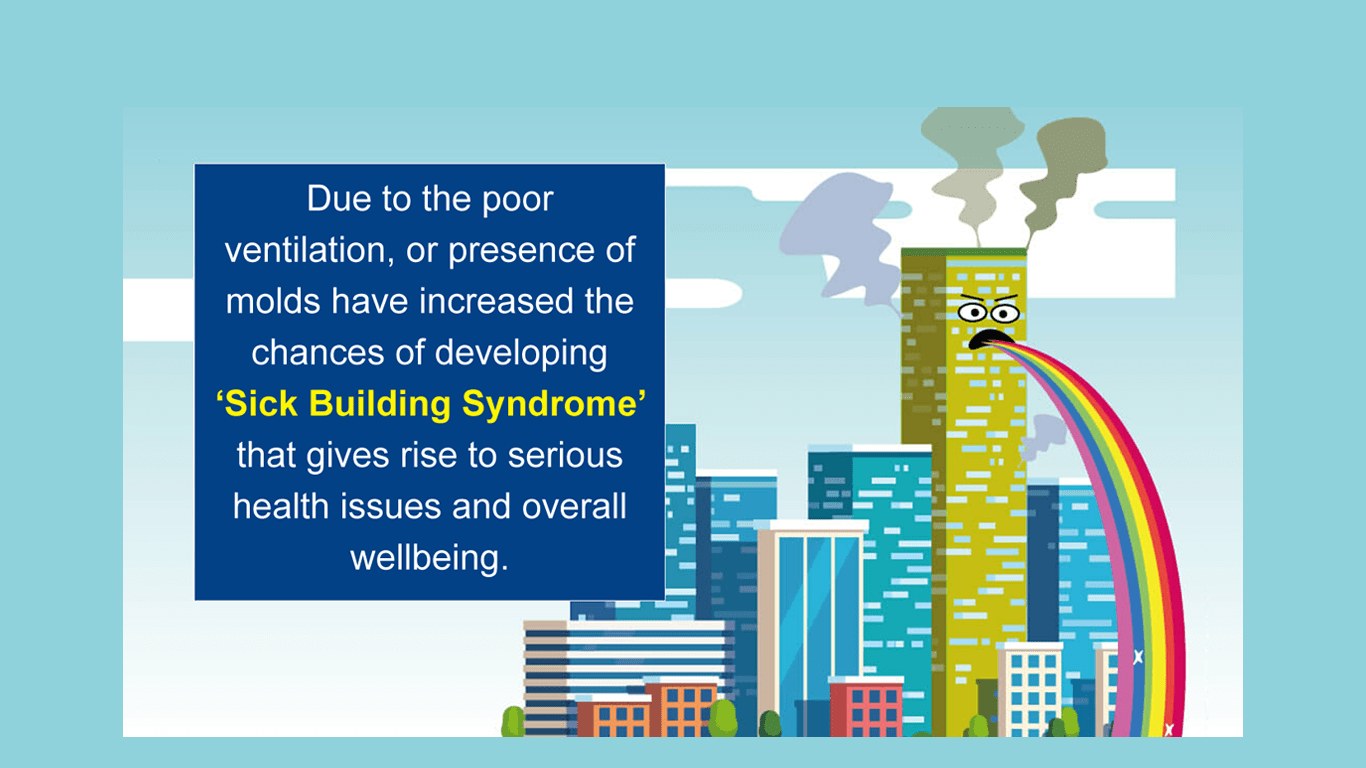
But staying indoors is not that easy, the way it looks. Due to the poor ventilation, or presence of molds have increased the chances of developing ‘Sick Building Syndrome’ that gives rise to serious health issues and overall wellbeing. It is also responsible for wide range of issues like breathing problems, lethargy, pain in the eyes, and other long-term illnesses.

People need to be aware that the indoor air gets easily influenced by the outdoor air and is 10 times worse and harmful because of restricted air flow in the enclosed area. It is not just the metropolitan cities which get affected but even the surrounding cities face the menace of poor indoor air quality.

Industries like healthcare, construction, factories, hotels, airports, are more likely to experience poor air quality due to their packed, and complex structure which does not support the influx of fresh air. Moreover, being commercial spaces, often these places are huddled with large crowds which further deteriorates the IAQ.

As we spend more and more time indoors, mostly in centrally conditioned spaces such as office complexes, homes, malls, hotels, restaurants, auditoriums and various other closed premises, building management systems are dealing with not only contaminants/pollutants generated indoors but also have to ensure outdoor pollution like PM 2.5, PM10, VOCs as well other gaseous contaminants are not brought inside conditioned spaces through conditioning systems.

Given that the major cause of poor IAQ is the lack of clean fresh air in the buildings which only gets worse with the presence of moisture, ensuring proper ventilation is the best solution to improve the indoor air pollution. It dilutes the contaminated air indoors by utilizing the fresh air from outside. With the help of this approach, we thoroughly clean the outside fresh air and introduce that into a building, maintaining positive pressure in the building.

To ensure proper ventilation, HVAC&R systems must be installed which offers wide range of advantages. It not just renders acceptable indoor air quality but also provides thermal comfort in the enclosed space. The system employees advanced desiccant technology that uses hygroscopic substances to suck moisture from the air in order to maintain the proper RH and cools down the indoor spaces.

One of the primary benefits of this technology is that it tones down the air according to the requirement of the given space. The Energy Recovery systems ventilate the conditioned spaces without compromising on air conditioning load. Owing to this mechanism there is substantial reduction in the use of energy and utility costs.

In addition to the installation of the HVAC&R system, people must be agile enough to adopt green building designs. Green Building Councils across the globe are playing a critical role in promoting awareness and certifying the importance of Indoor Air Quality in our day to day lives. The advanced buildings help in striking the right balance in the indoor air quality that does not compromise on the comfort of the people but at the same time coherently contribute to reduce the energy consumption of the building with the help of green products. These buildings are most viable solution as it highly maintains proper relative humidity (RH) and prevents any growth of mold, mildew in the enclosed atmosphere.

With advanced systems in place and efficient air purifying systems, maintaining good indoor air quality, even in large spaces has become a cost effective and doable affair.

Varun Pahwa, President, Desiccant Rotors International | Construction Week | July 22, 2021

Varun Pahwa, President, DRI-Pahwa Group, jots down a few points on ways to adopt environmental control solutions.

Green products used in the HVAC industry, their importance and accessibility

The primary focus of any green building is to reduce the energy consumption of the building. HVAC systems have the largest consumption of electricity in the building. To reduce the energy consumption of the HVAC system. In hospitality industry, the entire focus is on guest’s comfort and well being. To strike the right balance between comfort and energy savings, wide range of green products are available. These could be high efficient chillers, providing variable frequency drives on motors, high efficient fans etc.

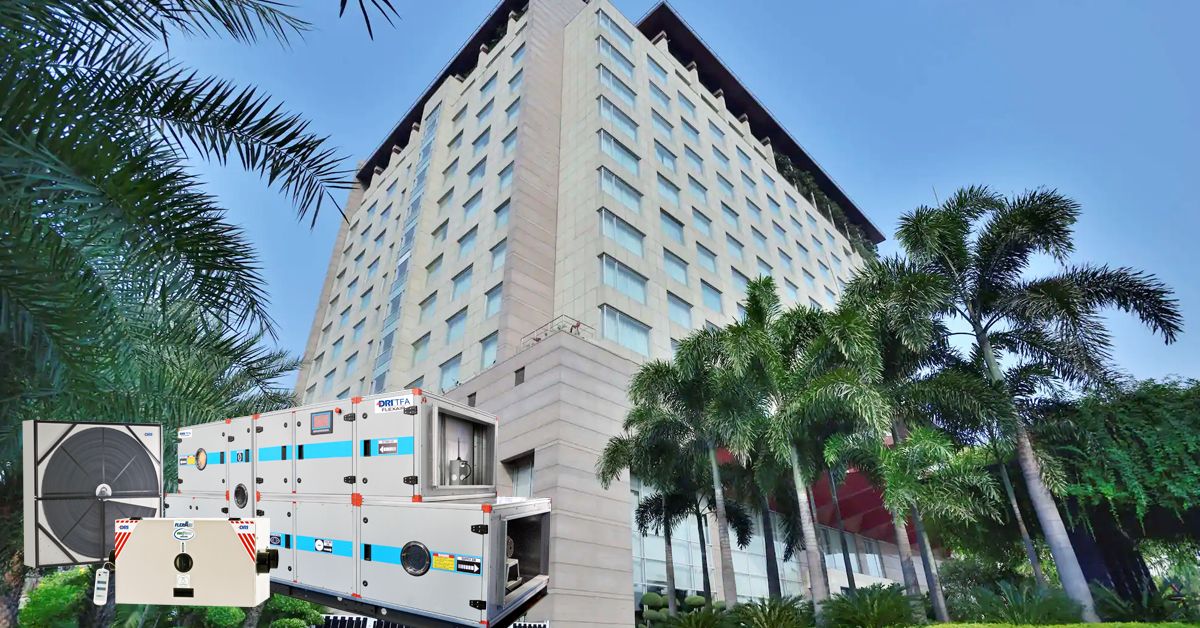
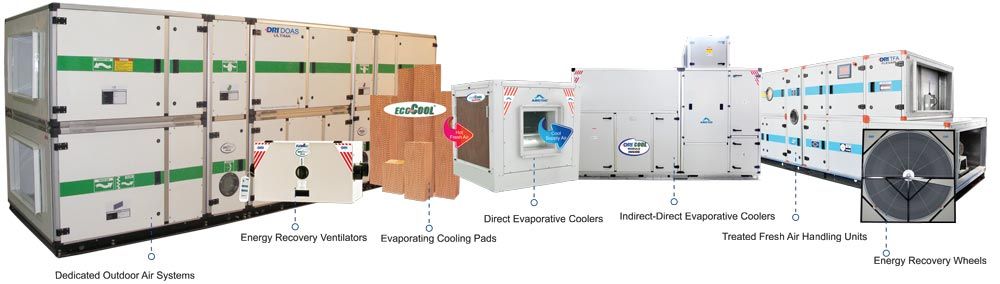
Apart from energy consumption, the second most important parameter of green building is Indoor Air Quality. DRI specializes in various systems that maintain good indoor air quality in hospitality sector. These include Energy recovery systems for ventilating the conditioned spaces without compromising on air conditioning load. DRI Energy Recovery systems are focused on Enthalpy Wheels based systems. Our FlexAir range of ERVs and TFAs incorporate Enthalpy Wheels for Energy Recovery.

In hospitality industry maintaining proper relative humidity (RH) is important to prevent any growth of mold, mildew, which causes foul smell in guest rooms. DRI provides systems that maintain proper RH in hospitality sector to prevent this problem. These systems help in reducing the operating costs of HVAC systems & maintain good indoor air quality. DRI is an Indian company & all its products are made in India. Accessibility of these systems are not an issue.

Ways to conserve energy, lower costs and increase productivity through arctic coolers

Arctic Coolers are aimed at cooling large industrial and commercial buildings, where initial and running cost of air condition systems is expensive. Using Arctic Evaporative Coolers with EcoCool Evaporative Cooling Pads with high saturation efficiency, long life, self-supporting, highly adsorbent and can be easily cleaned.

Especially in the case of industrial and commercial buildings, with the increasing cost of power and energy, choosing an efficient air treatment system that is also environment friendly, is an important decision.

Arctic coolers are capable of lowering the air temperature by at least 7-12 degrees and also facilitate cool fresh air to circulate through a building. Arctic Innovative Evaporative Cooling system is a solution, which offers completely natural way of delivering refreshing and cool air. Arctic coolers are trusted cooling solution provider for industries and commercial applications.

Unlike traditional air conditioning which operates on re-circulated air, the Arctic Innovative Evaporating Cooling system uses fresh air and works as part of a well-balanced ventilation system. This becomes even more relevant in today’s context, with Covid-19 concerns at the forefront. A better air quality environment also leads to better comfort & productivity and better health which are leading concerns for businesses today.

Products DRI Rotors

Adaptation of green building solutions by architects

Green building could be defined as “the practice of increasing the efficiency with which buildings and their sites use energy, water, and materials, and reducing building impacts on human health by providing better indoor environment Quality (IEQ).

With progressive economy, new building technologies began to transform the urban landscape.

The Green Building movement is driving the HVAC community to look at innovative solutions for reducing the energy cost and better IEQ (Indoor Environment Quality). The ventilation and air conditioning system which is a key component in Green Building design is on the verge of a paradigm shift.

This shift is providing designers opportunities to explore energy efficient designs. The new initiatives are aimed at improving health, comfort and productivity.

Integration of DOAS (Dedicated Outdoor Air System)/Treated Fresh Air Units: TFAs, with parallel terminal system offers a migratory path from the single all-air variable air volume systems.

Bad indoor air quality, their effects, and solutions

Poor indoor air quality leads to an increased incidence of health related symptoms, which in turn can lead to an increase in absenteeism and a loss of productivity. Some of most common symptoms can be related to “Sick Building Syndrome”.

Health effects from indoor air pollutants fall into two categories those that are experienced immediately after exposure and those that do not show up until years later.

The lung is the most common site of injury by air borne pollutants. Acute effects, however may also include non-respiratory signs and symptoms, which may depend upon toxicological characteristics of the substances and host of related factors.

In recent years, the attention of environmental researchers has been focused on indoor air pollution, as a result of reports of symptoms or specific diseases that occur mainly in air conditioned and mechanically ventilated buildings. Studies have proved that level of contaminants in the indoor air can be often several times higher than outdoor air. This combined with the fact that people tend to spend 90% of their time indoors, proves the point that a person’s major source of exposure to airborne contaminants can be indoors.

The solution to the problem of pollution is dilution or increased ventilation, runs contrary to the energy conservation guidelines being followed by air conditioning designers. In hospitals and nursing homes, the ventilation standards require 100% fresh air and higher number of air changes per hour.

Air quality can be improved by designing systems that provide air virtually free of dust, dirt, odors, chemical and radioactive pollutants, bacteria, virus and humidity buildup. Designers while planning air conditioning systems need to keep these design criteria in mind.

whatsapp_avatar

DRI Support
Online

For assistance, please enter your email and phone number below.
×
Chat with Us